What to Know After a Truck or Rideshare Crash
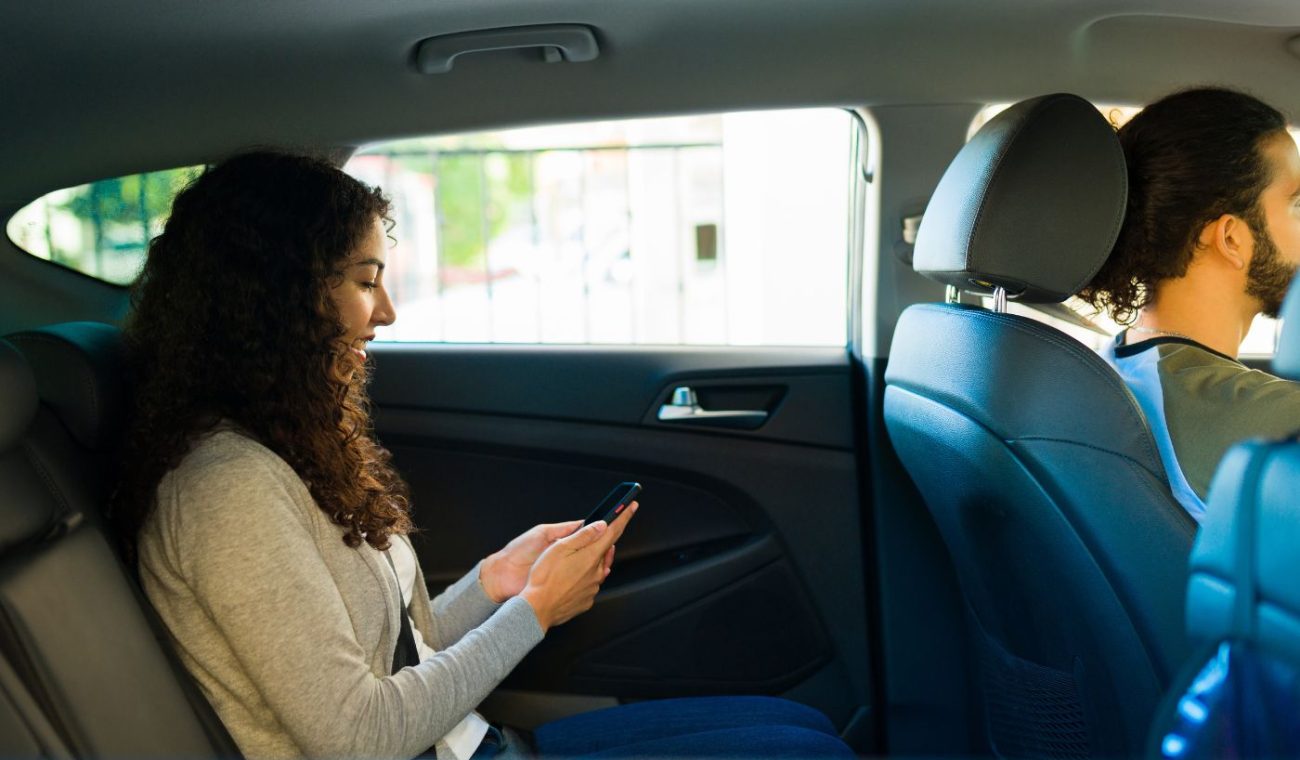
A collision with a big rig or a car driving for Uber or Lyft can change everything in a moment. There may be a hospital stay, weeks off work, a damaged vehicle and a stack of paperwork waiting at home.
Claims tied to these crashes rarely look like a routine car accident. Big corporations, overlapping insurance policies, tight filing windows and finger-pointing between companies can make the road ahead feel confusing.
Untangling Who Is Responsible
When a semitruck causes a wreck, the person behind the wheel is only part of the story. A freight company may have pushed an unrealistic schedule. A loading crew may have stacked cargo poorly. A repair shop may have skipped a brake job, and a manufacturer may have sold a faulty part.
Trucking is also a heavily regulated industry. Carriers have to track how long drivers stay on duty, inspect their rigs, keep loads within legal limits and document repairs. A paper trail showing those duties were ignored can carry a lot of weight.
Ride-hailing crashes raise a different puzzle. The company’s insurance doesn’t apply the same way all day long. A driver running personal errands with the app closed is in a very different spot from a driver who is cruising for fares, has just accepted a trip, is heading to a pickup or is carrying a rider in the back seat.
Sorting out which policy pays, and how much, often takes careful digging.
Digging Into the Evidence
Proof has a short shelf life after a wreck. Damaged cars are hauled away and fixed, tire marks wash off the pavement, security cameras overwrite their footage and people forget what they saw.
For a big rig, the truck’s electronic logging device, engine data, dispatch messages and repair history can reveal speed, sudden braking, hours on the road and gaps in upkeep.
For a ride-hailing car, trip records from the company can confirm what the driver was doing at the moment of impact. Crash reports, scene photos, hospital records and statements from bystanders round out the case.
Fault in California can be split among the people involved. Your recovery may shrink in proportion to any blame assigned to you, so strong proof matters.
Choosing a Trusted Legal Team
Freight carriers and ride-hailing companies tend to have claims departments and lawyers of their own.
That’s why it’s important to work with a trusted firm such as Carrazco Law, a personal injury practice serving Tustin and the greater Orange County area. The firm handles truck, rideshare, car and motorcycle accident cases, and it begins investigating claims early to help gather evidence, identify responsible parties, set up insurance claims and collect medical records.
When choosing a lawyer, look for experience with commercial vehicle and rideshare cases, clear communication, a willingness to explain your options and a fee arrangement you understand from the start. Many personal injury firms work on a contingency basis, meaning they’re paid only if they recover compensation for you.
Adding Up What You’ve Lost
Serious crashes create costs that keep coming long after the tow truck leaves.
Hospital bills, surgeries, rehab appointments and prescriptions can add up fast, and some injuries call for care that stretches years into the future. Paychecks you missed while recovering may also be part of a claim, along with lost future earning power if you can’t return to the same work.
A claim can also reflect a ruined vehicle, ongoing physical pain, the mental toll of the crash and scars or limitations that don’t go away. When a driver or company acted with extreme recklessness, a court may consider extra damages meant to punish that conduct.
Protecting Yourself in the Days Afterward
Your health comes before anything else. See a doctor promptly, since some injuries take hours or days to surface.
Snap pictures of the vehicles and the road, jot down names and numbers of anyone who saw what happened, save your discharge papers and keep a folder for every receipt.
Expect calls from insurance representatives. Keep those conversations short, and talk to a lawyer before agreeing to have anything you say recorded.
Looking Ahead After the Crash
Recovering from a truck or ride-hailing crash takes time. With good information and the right help, you can focus on getting better while your claim moves forward.