What to Consider When Collecting Quality Bullion
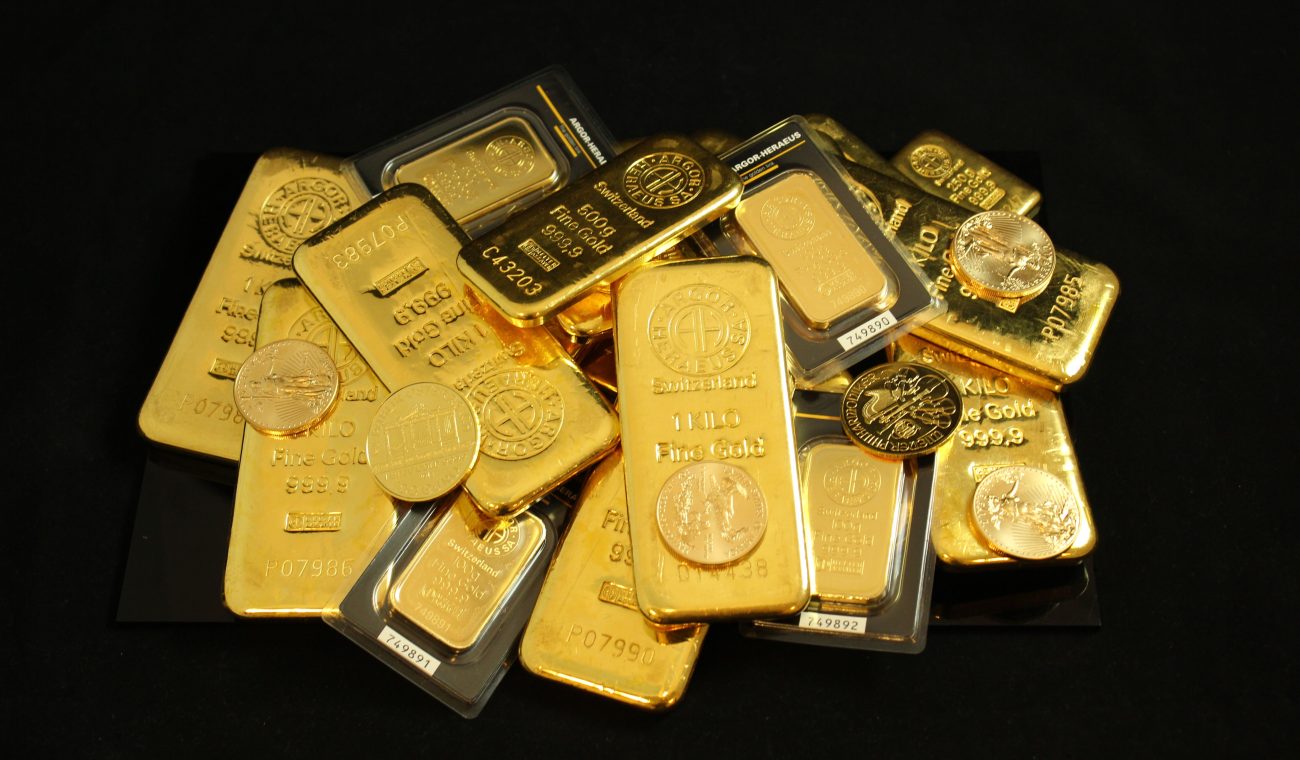
Collecting bullion can be an interesting way to explore precious metals while building a collection with potential long-term value. Gold and silver bars, rounds and certain coins appeal to collectors for their metal content, craftsmanship and connection to the precious metals market. However, starting or expanding a collection requires more than choosing items that look attractive. Authenticity, purity, pricing and storage all influence the quality of a bullion purchase.
Whether you are acquiring your first silver bar or adding gold pieces to an established collection, understanding these considerations can help you make informed decisions and avoid common purchasing mistakes.
Understand the Purity and Metal Content
One of the first things to examine when collecting quality bullion is its precious metal content. Purity indicates the proportion of a particular metal contained in a product, usually expressed as a fineness number or percentage. For example, .999 fine silver contains 99.9% silver, while .9999 fine gold contains 99.99% gold.
These specifications help buyers compare products and understand what they are purchasing. However, purity alone does not determine the overall value of a bullion item. Its weight, current metal price, manufacturing quality and market demand can also influence its worth.
Before buying, review the product description and confirm that its stated weight and purity are clearly documented. If you are unfamiliar with a particular marking, research the manufacturer or ask a knowledgeable dealer to explain its meaning.
Verify Authenticity Before Making a Purchase
Counterfeit precious metals are a concern for bullion collectors, particularly when purchasing from unfamiliar sellers or private individuals. Some imitation products may look convincing, making it difficult to determine authenticity through appearance alone.
Start by purchasing from dealers with verifiable business information and established reputations. Recognized mints and refiners often provide identifying marks, product specifications and other details that help buyers assess their products.
Documentation can also be useful, although certificates and packaging should not be treated as conclusive proof. Both can be imitated, so independent verification may be appropriate for expensive purchases. Qualified precious metals professionals can use suitable testing methods to assess an item’s dimensions, weight and composition.
It is also worth learning about common bullion products before buying them. Familiarity with standard specifications can help you recognize inconsistencies and ask more informed questions when evaluating a potential addition to your collection.
Compare Prices and Premiums
The market price of gold or silver is commonly referred to as the spot price. Bullion products are generally sold at a premium above this price to account for manufacturing, distribution and dealer expenses. The size of the premium depends on factors such as product type, availability and purchase quantity.
Comparing prices from several reputable sellers can help you determine whether an offer is reasonable. Make sure you compare equivalent products, including their metal content, weight and condition. A collectible coin may carry a higher premium than a standard bullion bar because of its limited mintage or collector demand.
For instance, someone researching precious metals through a local retailer or a business listed under a name such as Coin Shop Arizona should still compare the actual product specifications and total costs before making a decision. The important consideration is whether the purchase offers appropriate value for the collector’s goals.
Remember that a higher purchase price does not guarantee a higher resale price. Premiums may fluctuate, and some products can be more difficult to sell than others.
Choose Products That Match Your Collecting Goals
Bullion collecting can serve different purposes. Some people prioritize accumulating gold or silver according to weight, while others prefer specific mint designs, historical themes or limited production runs. Identifying your primary interest can help you develop a collection that feels purposeful rather than making purchases based on every appealing offer.
Standard bullion bars and rounds may be suitable for collectors who focus on metal content and straightforward pricing. Government-issued bullion coins may appeal to those who appreciate recognizable designs and established specifications. Certain limited-mintage products can attract collectors interested in rarity, although scarcity does not automatically translate into greater resale value.
Consider how each potential purchase fits your existing collection. Establishing a consistent approach can help you avoid spending more than intended on products that do not match your priorities.
Examine Condition and Manufacturing Quality
The physical condition of bullion can matter, especially when collecting coins or products whose appearance contributes to their appeal. Scratches, dents, discoloration and damaged packaging may affect desirability in some markets, although their impact varies by product.
For standard bullion bars and rounds, small cosmetic imperfections may matter less than authenticity and metal content. For collectible coins, however, surface condition and preservation can have a more noticeable influence on market value.
When buying in person, inspect the item under suitable lighting and ask about any visible damage. For online purchases, review clear photographs, detailed descriptions and the seller’s return policy. If condition is an important part of your collecting strategy, avoid relying on vague descriptions such as “excellent quality” without supporting details.
Plan for Safe Storage
Proper storage helps protect bullion from loss, damage and unnecessary handling. Gold and silver have different physical characteristics, so storage requirements may vary depending on the product and its finish.
Keep bullion in a secure, dry environment and handle coins carefully to avoid fingerprints or scratches. Protective capsules, sleeves and suitable storage boxes can help preserve certain products. Avoid cleaning collectible coins with household products because cleaning can damage their surfaces and reduce their desirability.
Security is equally important. Consider a secure home safe or another appropriate storage arrangement based on the size and value of your collection. For larger holdings, review the costs and coverage of professional storage options. Keep purchase records and inventory details in a separate secure location.
Consider Liquidity and Resale Potential
Although collecting can be enjoyable, it is helpful to understand how easily you might sell a bullion item if your circumstances change. Widely recognized products from established mints may be easier for buyers and dealers to evaluate than unfamiliar pieces with limited market demand.
Before purchasing an item, research its typical resale market and whether dealers commonly buy that product. Ask about buyback policies and understand that the amount offered may be lower than the original purchase price.
Bullion prices fluctuate, and no product guarantees a profit. Collectors should consider their budgets and avoid relying on short-term price predictions when making purchasing decisions.
Build Your Collection With Confidence
Collecting quality bullion becomes more manageable when you focus on authenticity, purity, fair pricing and appropriate storage. Understanding your goals and researching each purchase can also help you develop a collection that reflects your interests without unnecessary expenses.
Take time to compare products, ask questions and verify important details before committing to a purchase. With a careful approach, you can enjoy the process of collecting precious metals while making better-informed decisions about the quality and long-term potential of each addition.