Everything to Check Before You Commit to a Red Light Therapy Manufacturer
Introduction — What’s at Stake?
Have you ever paid for a device that promised clearer skin or faster recovery, only to be left wondering where the benefit went? I see that a lot, and it’s frustrating for both customers and makers. As someone who helps teams choose a reliable red light therapy manufacturer, I can tell you the right partner changes outcomes — and your reputation (yes, it matters). Recent surveys show many buyers return products due to inconsistent irradiance or poor build quality. So how do you avoid that trap?
I’ll walk you through the scenario, give some practical numbers, and ask the right questions — so you don’t have to learn by painful trial and error. We’ll keep things simple. I promise to be clear and helpful, like a good customer support rep on the line. — stick with me and we’ll get to the checklist next.
 Where Most Designs Fail: Technical Flaws and Hidden Pain Points
led light therapy manufacturers often market high output and fast results, but the reality behind that claim is messy. I’ve tested units where cheap driver ICs and poor thermal management masked as high power. Those flaws show up as flicker, uneven intensity, or rapid LED degradation — and customers blame the treatment, not the hardware. Look, it’s simpler than you think: a good system balances optics, thermal design, and reliable power converters.
Why does that matter?
First, poor thermal management shortens LED life. Second, mismatched driver ICs create inconsistent photon output across diodes. Third, subpar optical coupling scatters light, reducing effective irradiance on skin or tissue. I’ve seen suppliers skimp on heat sinks to save cents — but that saves nothing when units fail in months. In one case, a panel’s edge LEDs measured 30% lower output than the center. That’s not a small variance. It ruins user trust.
Two industry terms to note: edge computing nodes matter when you want smart device logging; and power converters must be rated for constant current to avoid drift. Also, testing protocols (irradiance mapping, thermal cycling) are often skipped in low-cost builds. If you’re sourcing, insist on test reports. If a vendor dodges that, walk away — honestly, I will.
What Comes Next: New Principles and Choosing Better Partners
Moving forward, I’m optimistic. Better designs use a systems approach: match LED wavelength, control with stable driver ICs, and solve heat through compact thermal management. For example, some newer panels add simple feedback loops to keep output stable as temperature changes. That reduces the “bright today, weak next month” complaint. I expect more integration with edge computing nodes for remote monitoring — which lets you prove real-world performance to customers.
Real-world steps: What should you evaluate?
Evaluate three core metrics. First, measure steady-state irradiance at use distance (mW/cm²). Second, check temperature rise under continuous use (thermal management effectiveness). Third, look at surge and long-term stability from the power converters and driver ICs (do they hold current over 1,000 hours?). Those metrics tell you more than glossy marketing photos. — funny how that works, right?
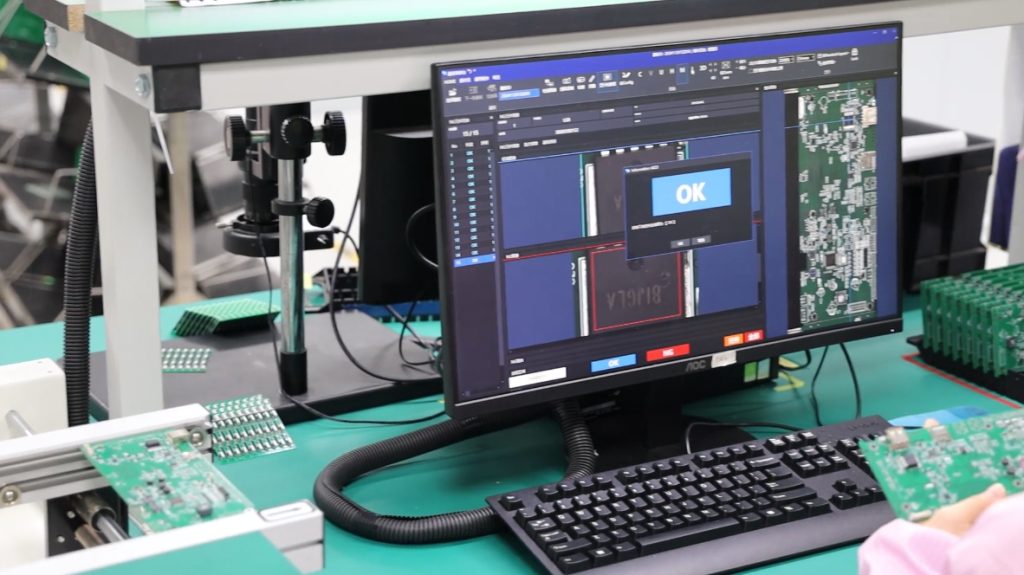
Also, ask for production QC data: batch irradiance maps, burn-in logs, and component sourcing. If a manufacturer can’t provide them, they’re probably hiding something. Compare warranties and post-sale support too. I prefer partners who document their testing and stand behind the product.
To wrap up, here are three quick evaluation metrics you can use right away: steady-state irradiance, thermal rise under load, and current stability over time. Use them as your shortlist filters. If a supplier clears those, they’re worth serious talks.
For practical sourcing and reliable OEM/ODM work, consider starting conversations with firms that publish test data and respond to technical questions openly. I’ve used that approach myself with Magique Power and found the dialogue revealing and useful.
Keep reading
 Real Estate
Navigating Modern Real Estate: Practical Strategies for Buyers, Sellers, and Investors
 Home
Home
Smart, Seasonal Gardening: Practical Home Garden Ways to Elevate Decor and Interior Comfort
 Education