Choosing a Camping Gear Brand That Actually Fits Your Adventure Style
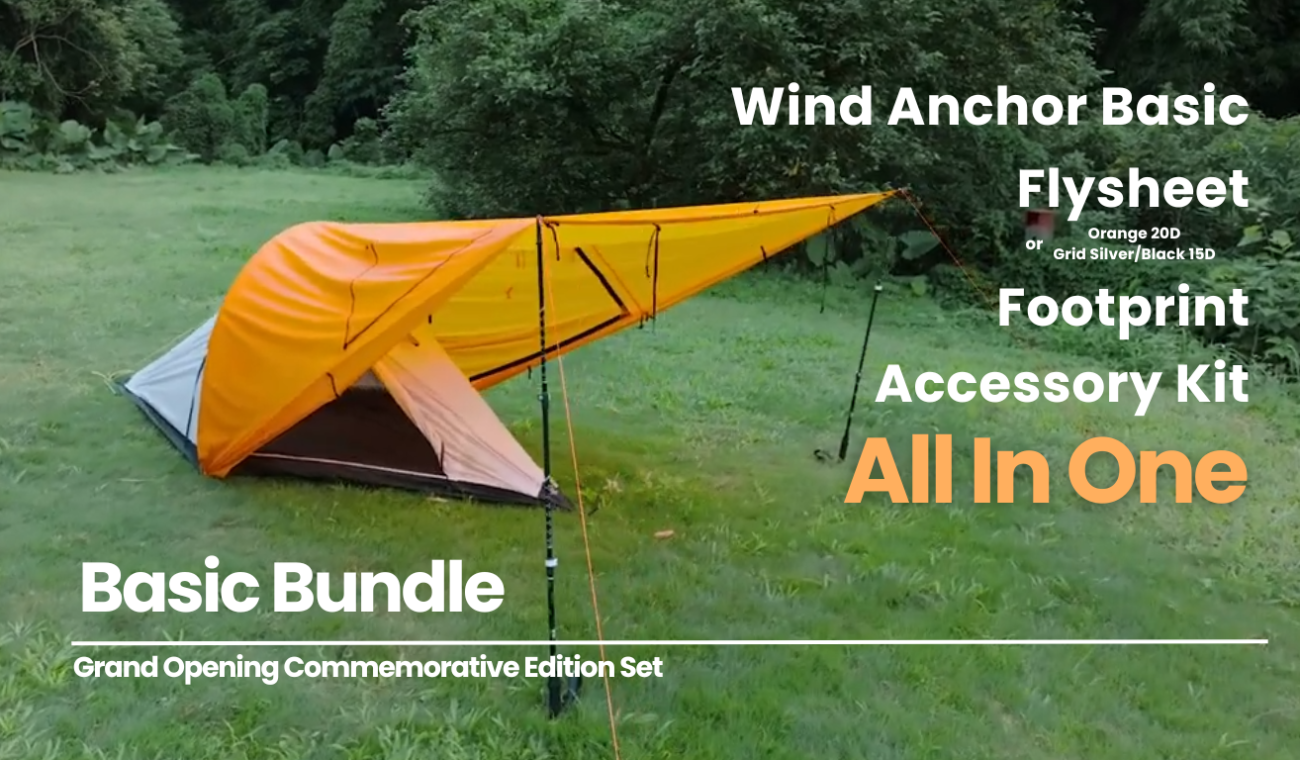
Start with how you camp, not what looks good
Ask yourself where you spend most nights: short car-camp weekends, coastal surf trips, or multi-day hikes. I’ve spent a decade testing gear on weekend runs and longer trips, and one simple truth sticks—your kit should match the trip. On a damp arvo in Kosciuszko National Park I appreciated how a roomy tent with front porch kept muddy boots and wet jackets out of the sleeping area; that same setup proved its worth when a sudden squall rolled through, and the camping tent with front porch kept the stove and kit dry while we cooked under cover.
Work out the must-haves for your trips
List the non-negotiables: how many people, how much weight you’ll carry, what weather you’ll face, and whether you need a big vestibule for gear or a slim shelter for speed. For car camping, focus on comfort: space, ventilation, and easy pitch. For bushwalking, prioritise weight, pack size and storm performance. If you often park a few metres from the tent, a front porch is gold for mud and wet gear. Decide on season rating (3-season vs 4-season), seam-sealing and the quality of zips and poles—those are where brands either shine or cut corners.
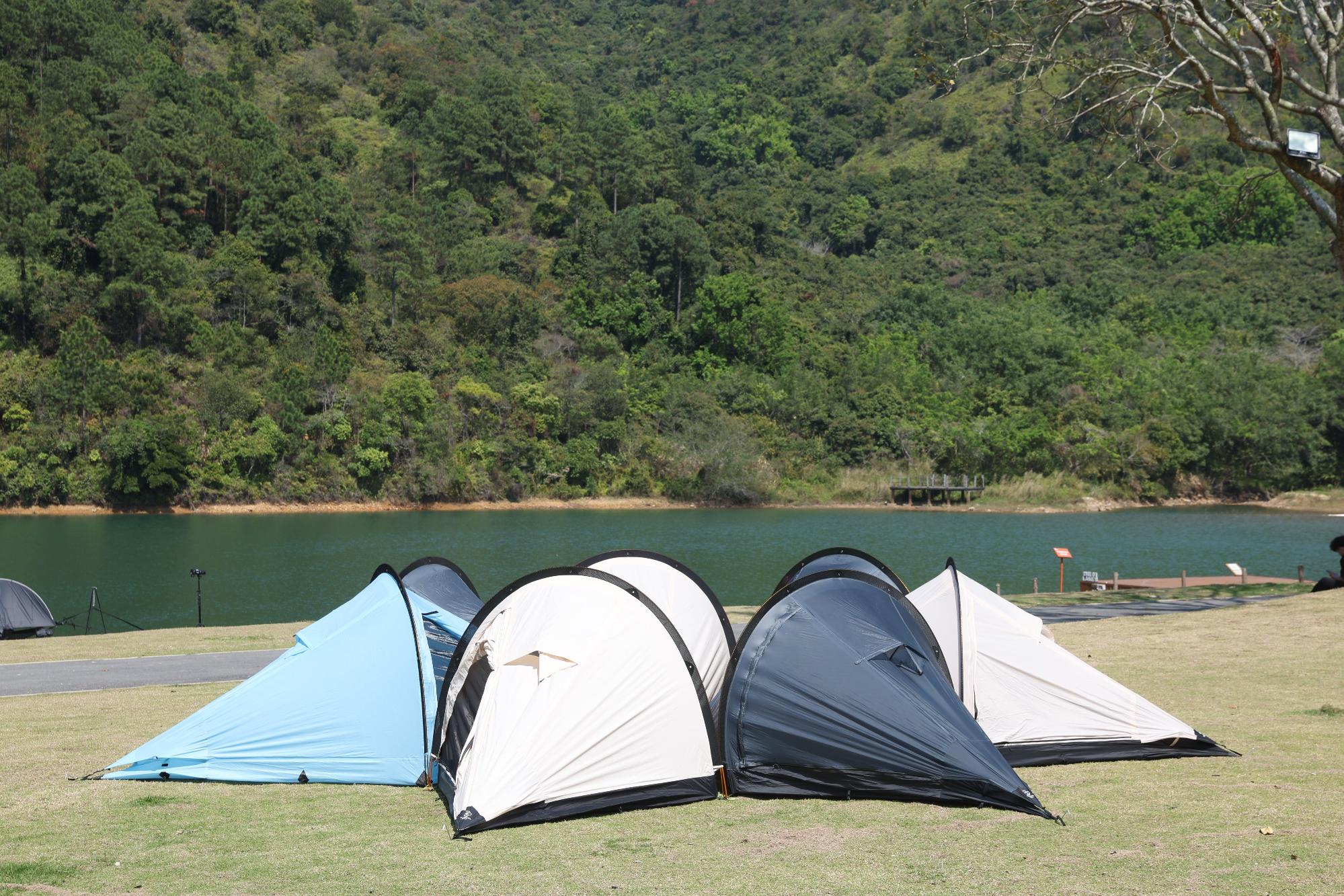 Check real service and repair support
Brands differ outside the spec sheet. Look for straightforward warranty terms, spare-parts availability and an honest repair policy. A brand that sells replacement pole sections, zips and guy lines locally will keep you camping longer. Ask recent buyers about turnaround times for repairs and whether the company stocks common wear items. Field-repairability matters: can you patch, cannibalise a pole, or replace a zipper yourself? If not, you’ll want fast service from the brand.
Common mistakes to avoid
Don’t buy on looks or a single glowing review. Avoid picking a heavy, roomy family tent for overnight hikes, and don’t buy an ultralight tarp if you regularly camp in wind or snow. Another trap: assuming higher price always equals better durability—materials and construction are what count, not just branding. Finally, test the pack size and pitch time; a tent that claims “two-minute setup” but needs four people is useless solo.
Quick look at practical alternatives
For weekend family trips, choose robust fabrics, a full vestibule and easy pitching. For solo or fast-and-light trips, focus on low weight, strong poles and simple ventilation. Hybrid weekenders give roomy floorplans with lighter components—good if you juggle car and short hikes. If you want longevity, pick a brand that offers parts and repairs rather than fast replacement. Try to handle the tent in person before you commit: feel the fabric, test the zips, and practise one pitch.
Bring it together
Match your brand choice to the trips you actually take: pick the features that solve your real problems, check for genuine support and spare parts, and avoid impulse buys that don’t fit your routine. That practical alignment is where value lives, and it’s the reason I keep returning to kit that makes camp easier rather than fussier—small, sensible choices add up, and that kind of fit is what THECATAL aims to reflect in its equipment and service.
Keep reading
 Real Estate
Navigating Modern Real Estate: Practical Strategies for Buyers, Sellers, and Investors
 Home
Home
Smart, Seasonal Gardening: Practical Home Garden Ways to Elevate Decor and Interior Comfort
 Education