How to Check If a Bullion Dealer Is Legitimate
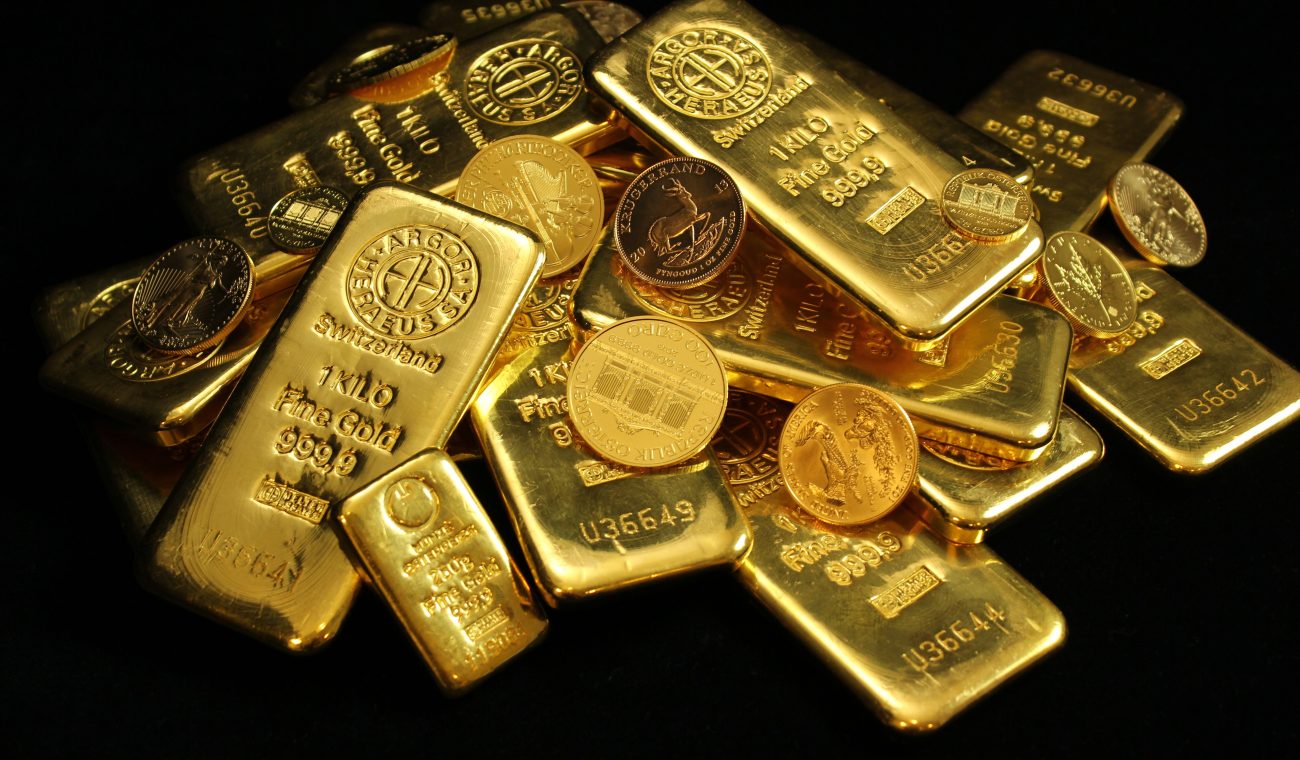
Buying gold and silver bullion can be a way to diversify investments, preserve wealth or add physical precious metals to a collection. However, purchasing bullion requires careful consideration because the market involves valuable products, fluctuating prices and sellers with varying levels of experience and credibility. A dishonest dealer may offer counterfeit metals, misrepresent purity or charge unreasonable fees that reduce the value of a purchase.
Before spending money on gold bars, silver rounds or other bullion products, it is important to verify that the seller operates transparently and has a reliable reputation. Learning how to evaluate a bullion dealer can help you make informed decisions and reduce the risk of costly mistakes.
Research the Dealer’s Background
Start by learning about the company or individual selling the bullion. A legitimate dealer should provide clear information about its business name, contact details, operating address and transaction policies. These details make it easier to verify the seller’s identity and determine whether the business has an established presence.
Look for information about how long the dealer has operated and whether its business activities can be independently verified. Check the company’s official website, business directory listings and other reliable sources for consistent information. If the seller claims to belong to a professional organization, visit that organization’s website to confirm the membership rather than relying solely on a logo displayed on the dealer’s page.
Business registration can provide useful information, although registration alone does not guarantee that a dealer is trustworthy or that its bullion is authentic. Consider the full picture instead of relying on one credential.
Check Customer Reviews and Reputation
Customer feedback can reveal useful information about a dealer’s business practices. Look for reviews on independent platforms and pay attention to recurring comments about product authenticity, pricing accuracy, delivery times and customer service.
A few negative reviews do not necessarily indicate fraud, especially when a business handles a large number of transactions. However, repeated reports of missing shipments, unexpected charges, misleading product descriptions or difficulties obtaining refunds deserve attention.
Consider how the dealer responds to complaints. Professional responses that explain the situation and describe reasonable solutions may indicate a willingness to address customer concerns. Be cautious when reviews appear unusually repetitive, overly promotional or suspiciously similar.
You can also search for complaints or warnings from consumer protection agencies and relevant financial regulators. These sources may provide information that is not immediately apparent from the seller’s own website.
Verify the Authenticity of the Bullion
One of the most important considerations when purchasing precious metals is confirming that the products are genuine. Counterfeit bullion may imitate the appearance, weight and markings of recognized gold or silver products, making visual inspection alone unreliable.
Ask the dealer about the source of its inventory and whether the products come from established mints or refiners. Recognized manufacturers often provide identifying marks, purity specifications and product information that can help buyers evaluate what they are purchasing.
For larger purchases, consider having the bullion examined by an independent precious metals professional who uses appropriate testing methods. Depending on the product, verification may involve weighing, measuring dimensions, checking markings or using specialized equipment to assess metal composition.
Certificates and assay cards can provide useful supporting information, but they should not be treated as conclusive proof of authenticity. Packaging and documentation can also be counterfeited. Independent verification is particularly valuable when purchasing expensive items from an unfamiliar source.
Compare Prices With Current Market Rates
Bullion prices generally reflect the market price, or spot price, of the underlying precious metal. Dealers typically charge a premium to cover manufacturing, distribution, inventory and operating costs. The premium varies according to the product, market conditions and purchase quantity.
Before buying, check current gold or silver spot prices and compare the dealer’s asking price with those of other established sellers. Make sure you compare equivalent products, since coins, bars and specialty items may carry different premiums.
An unusually low price can be a warning sign, particularly when the seller pressures you to pay immediately. At the same time, a high price does not automatically indicate better quality or authenticity.
Ask for a clear breakdown of the total cost, including shipping, insurance, taxes and other applicable charges. Understanding the complete transaction cost can help you determine whether the offer is reasonable.
Review Payment and Delivery Policies
A trustworthy dealer should explain how payments are accepted, how orders are processed and how bullion is delivered or collected. Before completing a transaction, review the company’s terms for shipping, insurance, returns and cancellations.
For online purchases, check whether shipments are tracked and insured for their declared value. Confirm how the seller handles lost packages, damaged deliveries or discrepancies between the product ordered and the product received.
Be cautious if a seller insists on an irreversible payment method while refusing to provide verifiable business information or a written invoice. Payment protections vary by provider, so understand what recourse is available before sending funds.
Keep copies of receipts, invoices, product descriptions and correspondence. These records may help resolve disputes and establish the details of your purchase.
Watch for Common Warning Signs
Certain sales tactics should prompt additional scrutiny. A dealer who guarantees unusually high investment returns, claims bullion prices can only rise or uses aggressive pressure to force an immediate purchase may not be acting in your best interests.
Other warning signs include vague product descriptions, inconsistent contact information, unexplained fees and reluctance to answer reasonable questions. Be particularly careful when a seller claims to offer rare or discounted bullion but cannot provide credible information about its origin.
Avoid making decisions based solely on testimonials published by the seller. Independent evidence and verifiable records provide a stronger basis for evaluating credibility.
Understand the Dealer’s Buyback Policy
If you intend to sell your bullion in the future, consider whether the dealer offers a buyback service and how its prices are determined. A buyback policy may explain which products the company accepts, how it evaluates authenticity and whether additional fees apply.
Ask how the offered price compares with the current market value and whether the dealer purchases products originally bought elsewhere. A clear policy can help you understand potential resale options before committing to a purchase.
Remember that buyback prices may be lower than the dealer’s selling prices, and the amount you receive can depend on market conditions.
Make an Informed Purchase
Checking whether a bullion dealer is legitimate requires more than trusting a professional-looking website or an attractive offer. Researching the business, reviewing independent feedback, verifying product authenticity and comparing prices can help you identify potential risks before committing your money.
Take time to ask questions, examine the transaction terms and seek independent verification when necessary. By approaching precious metals purchases carefully, you can make more confident decisions and better protect your investment.