Why Dumpster Leasing Is Important for Effective Waste Management
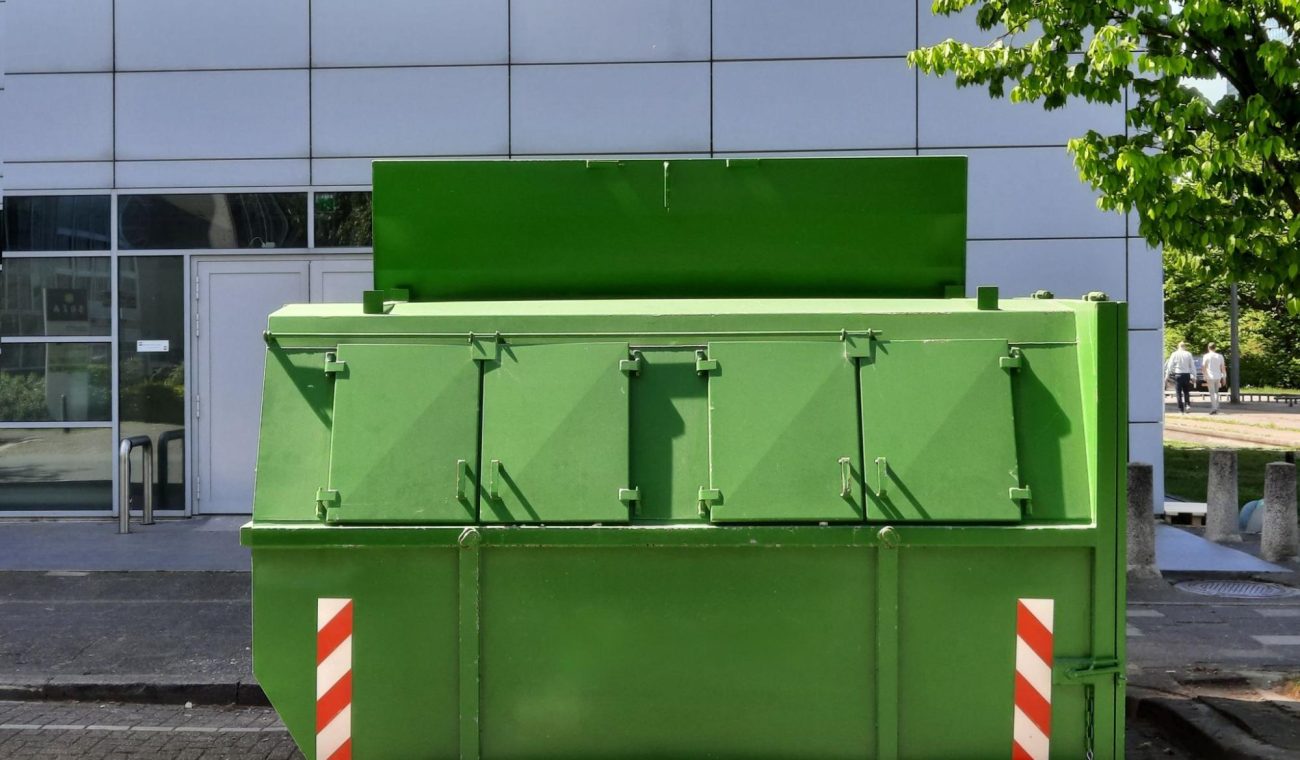
Waste management is an important part of maintaining clean, safe and organized spaces. Whether a property is undergoing renovations, a business is handling daily operations or a construction project is generating large amounts of debris, having a reliable way to collect and remove waste can make a significant difference. Dumpster leasing offers a practical solution by providing temporary or ongoing access to a container that accommodates waste according to a project’s needs.
Instead of relying on small trash bins or making repeated trips to a disposal facility, individuals and businesses can use a leased dumpster to simplify cleanup. Understanding the importance of dumpster leasing can help property owners, contractors and business managers make better decisions about waste removal.
Keeping Worksites Clean and Organized
One of the main benefits of a dumpster lease is the ability to keep a worksite organized. Construction, demolition and remodeling projects often produce materials such as wood scraps, drywall, packaging and other debris. Without a designated place to collect these items, waste can accumulate quickly and interfere with daily activities.
A leased dumpster provides a central location for disposing of approved materials throughout the project. Workers can remove debris as tasks are completed rather than allowing unwanted items to pile up around the property. This helps maintain a more orderly environment and makes it easier to keep work areas accessible.
An organized site can also support better workflow. When waste is collected consistently, workers spend less time moving debris out of the way and can focus more attention on their responsibilities. Property owners may also find it easier to assess progress when clutter does not obscure the work being completed.
Improving Safety Around the Property
Accumulated waste can create hazards in residential, commercial and construction environments. Loose boards, broken materials, sharp objects and scattered debris may increase the risk of trips, cuts and other injuries. These problems can become more serious when several people are working in the same area.
Dumpster leasing helps reduce these risks by giving workers a designated place to discard unwanted materials. Keeping waste contained can leave walkways clearer and make it easier to maintain safer working conditions.
However, renting a dumpster does not automatically eliminate every hazard. Users must load materials carefully, avoid overfilling the container and follow any restrictions regarding heavy or dangerous items. Placing the dumpster in an appropriate location also helps prevent it from obstructing entrances, emergency access routes or regular traffic.
Saving Time and Reducing Transportation Needs
Waste removal can become a time-consuming responsibility when large amounts of debris are involved. Without a suitable container, contractors and property owners may need to transport waste to disposal facilities several times throughout a project. These trips can interrupt work and require additional planning.
A leased dumpster provides a more convenient collection point for approved waste. Depending on the rental agreement, the provider can arrange pickup and disposal when the container is ready or when the scheduled rental period ends. This allows customers to plan cleanup around their project timelines.
Having a dumpster available can be particularly helpful during major cleanouts, landscaping work and renovation projects. Rather than repeatedly arranging transportation, customers can collect waste in one place and coordinate removal with the rental company.
Supporting Cost Management
Dumpster leasing can also help customers manage waste disposal expenses. Although renting a container involves a fee, it may reduce other costs associated with repeated transportation, fuel, labor and time spent making disposal trips.
Before choosing a rental service, it is important to understand how pricing works. Providers may calculate charges based on dumpster size, rental duration, weight limits, disposal fees and the types of materials accepted. Additional costs may apply if the container exceeds its weight allowance or remains on-site longer than agreed.
Selecting the right container size is particularly important. A dumpster that is too small may require an additional pickup or rental, while an unnecessarily large container may cost more than the project requires. Estimating the amount of waste beforehand can help customers choose an option that fits their needs and budget.
Making Large Cleanup Projects More Manageable
Dumpster leasing is useful for more than construction work. Homeowners may need a container when clearing out a garage, preparing a property for sale or removing unwanted furniture and household items. Businesses may also use dumpsters during office relocations, warehouse cleanouts or property improvements.
These activities can generate more waste than regular trash collection can accommodate. A dedicated container makes it easier to gather approved items as the cleanup progresses, helping prevent clutter from spreading throughout the property.
Before placing items in the dumpster, customers should confirm which materials are permitted. Electronics, batteries, paint, chemicals and certain appliances may require specialized disposal procedures. Following the provider’s guidelines helps prevent rejected loads, unexpected charges and improper handling of restricted waste.
Encouraging Responsible Waste Disposal
Proper waste management involves more than removing unwanted materials from a property. It also requires attention to where waste goes and how it is handled. Reputable dumpster rental providers can explain their disposal procedures and help customers understand applicable requirements.
Some materials may be suitable for recycling or reuse rather than disposal in a landfill. Separating recyclable items when appropriate can help reduce the amount of waste sent for final disposal. Customers should ask whether their provider offers separate containers or accepts specific recyclable materials.
It is also important to follow local regulations governing construction debris, household waste and other materials. Responsible disposal helps protect surrounding properties and reduces the likelihood of environmental problems caused by improper dumping.
Choosing a Reliable Dumpster Leasing Service
The benefits of dumpster leasing depend partly on selecting a provider that can accommodate the project. Customers should consider container availability, delivery schedules, pickup arrangements and the company’s policies for accepted materials. Clear communication about placement requirements and rental terms can prevent unnecessary delays.
It is also helpful to ask about weight restrictions, access requirements and what happens if the project takes longer than expected. Comparing several providers can help identify a service that offers suitable equipment and transparent pricing.
Making Waste Management Easier
Dumpster leasing plays an important role in keeping properties organized, supporting safer work environments and simplifying cleanup. By providing a convenient place to collect waste, it can save time, help control expenses and make demanding projects easier to manage.
Whether the goal is to complete a renovation, clear out a property or handle ongoing business waste, choosing the appropriate dumpster and rental arrangement can improve the entire process. With careful planning and responsible disposal practices, dumpster leasing becomes a valuable tool for maintaining cleaner spaces and managing waste more efficiently.