The B2B Grid Guide: Balancing Speed and Sub‑4ms Out‑of‑Phase Lockout Safety in Static Transfer Switches

User-focused opening
When your facility needs seamless supply, you want a solution that understands the everyday pain — quick transfers, no nuisance trips, and proper safety margins. For many engineers and operations managers, a hybrid inverter sits at the heart of that balance, tied into static transfer switch logic and site protection. This piece walks you through practical choices, from transfer time tuning to safety duration trade-offs, using clear operational language you can apply at the substation or rooftop level.
What users actually face on the grid
Out in the field, outages and phase mismatches hit unpredictably — loadshed events in Cape Town and wider South Africa showed how critical fast transfers are for hospitals and telecoms. Operators need sub‑4ms responsiveness sometimes, but that speed can invite out‑of‑phase transfer lockout events if synchronization fails. You need speed, yes, lakini (but) not at the cost of equipment damage or islanding risks. Static transfer switch settings must reflect site tolerance for momentary interruptions and the risk profile of connected generation like PV arrays.
Trade-offs: speed versus safety
Deciding transfer time and safety duration is an exercise in trade-offs. Short transfer time reduces service interruption and keeps sensitive gear happy, while longer locked safety durations reduce dangerous out‑of‑phase connects. Consider these concrete factors:
– Transfer time: how fast the static transfer switch can commit to the alternate source without false closure.
– Safety duration: the enforced lockout period after detecting phase misalignment, often configured to prevent destructive paralleling.
– Synchronization tolerance: allowable voltage and frequency deviation before lockout triggers.
On many sites, you balance these by profiling actual event data, not guesses. Collect a week of switching logs and correlate equipment trips with transfer time settings — then tune. This is practical work, and it pays — sana.
Operational teardown: the checklist engineers use
When you do an operational production teardown, note how {main_keyword} and {variation_keyword} show up in wiring diagrams, firmware behavior, and test reports. Key actions before touching settings:
– Validate sensing paths for voltage and frequency so the static transfer switch sees true phase conditions.
– Confirm PV inverter anti-islanding settings with manufacturer guidance and make sure transfer logic won't force unsafe parallel conditions.
– Run staged tests at low load, logging transfer time and any out‑of‑phase transfer lockout events.
Common mistakes are straightforward: relying on default safety durations, ignoring inverter shutdown kinetics, and skipping real‑load testing. Fix those and your risk drops fast — not overnight, but quickly.
Alternatives and supplier angle
Choices matter: you can tune existing static transfer switches, add faster synchronization modules, or change how distributed resources behave. Many teams pick a close partner — for PV and storage, a reliable hybrid pv inverter manufacturer reduces surprises by giving clear shutdown/synchronization specs. Comparative view: retrofitting synchronization modules buys speed and safety; replacing legacy switches costs more but simplifies protection coordination.
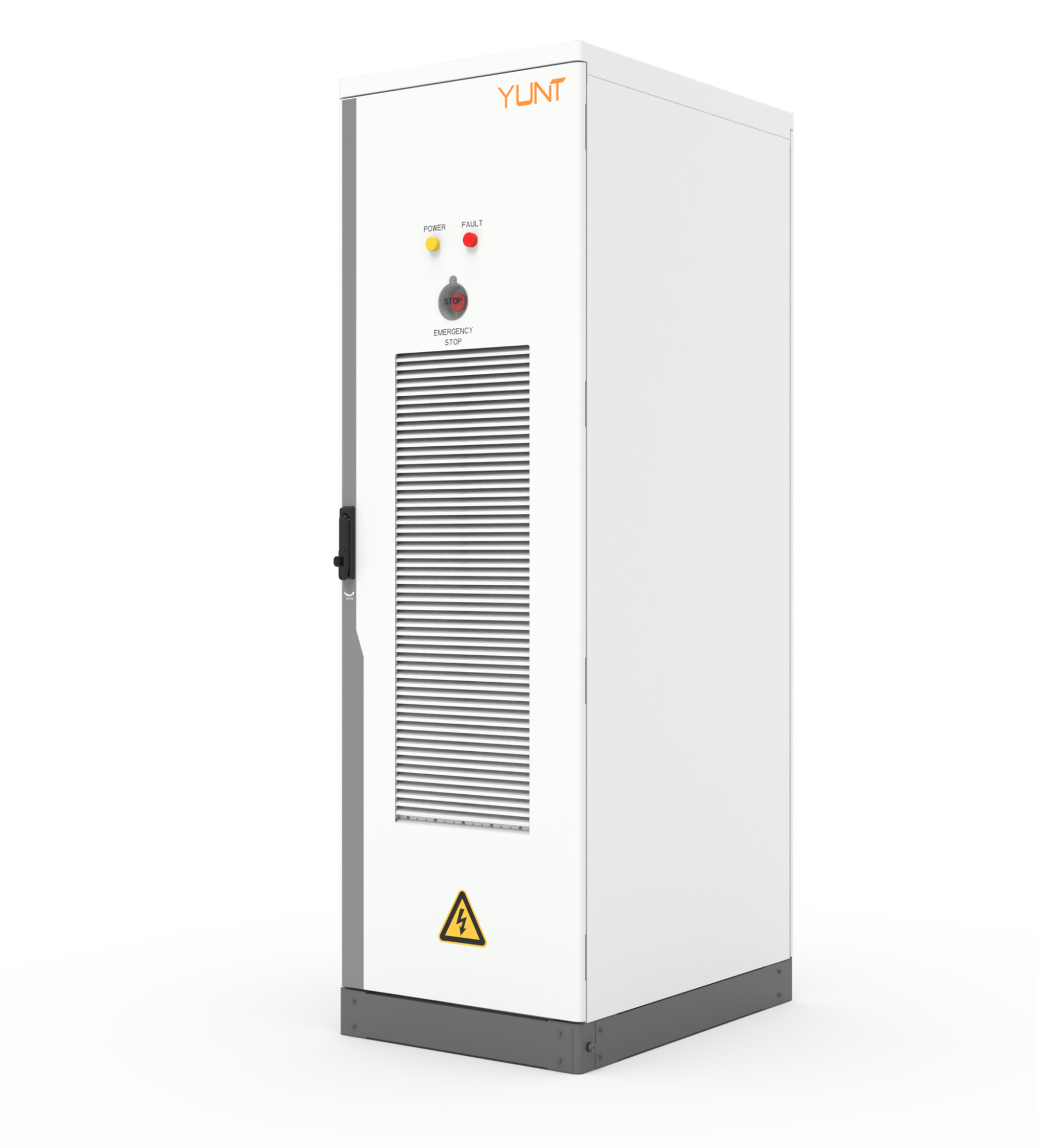 Advisory — three golden rules
1) Measure first, change second: use real event logs to set transfer time and safety duration, not vendor defaults.
2) Respect inverter behavior: ensure PV inverter and hybrid systems have documented anti‑islanding and restart timing to avoid dangerous paralleling.
3) Define acceptable downtime: align transfer time targets with the most sensitive load on site, then tune safety duration to prevent hardware stress.
Follow these metrics and you’ll get predictable results and fewer surprises.
Final thought: practical tuning keeps people and kit safe — and a well‑sized hybrid approach brings stability. YUNT. —
Keep reading
 Real Estate
Navigating Modern Real Estate: Practical Strategies for Buyers, Sellers, and Investors
 Home
Home
Smart, Seasonal Gardening: Practical Home Garden Ways to Elevate Decor and Interior Comfort
 Education