People-First Design for Cleaner Workshops: A User-Centric Guide to Laser Engraver Fume Extraction
Introduction — a small scene, a big worry
I was in a tiny Dhaka studio once, watching a friend trace delicate patterns on acrylic while a thin haze settled like winter fog inside the room. The machine hummed; the smell clung to our clothes. In many such shops today, a laser engraver fume extractor sits idle or underpowered, and workers inhale tiny, unseen guests—VOCs and particulates—without complaint or even full awareness. (We count hours, not molecules.) Data shows that small workshops can have particulate levels several times higher than safe limits when extraction is inadequate — so what do we do next?
I write this as someone who has literally wiped carbon dust off a workbench and thought, “There must be a better way.” I want to share what I’ve learned, in plain terms, mixing a little poetry with practical advice. We will look at how common systems fail, what hidden pains users face, and which principles matter when choosing a system that truly protects people. Let’s move from the quiet fog of the shop to clearer, cleaner air — step by step.
 Part 2 — Why common fixes miss the mark (technical breakdown)
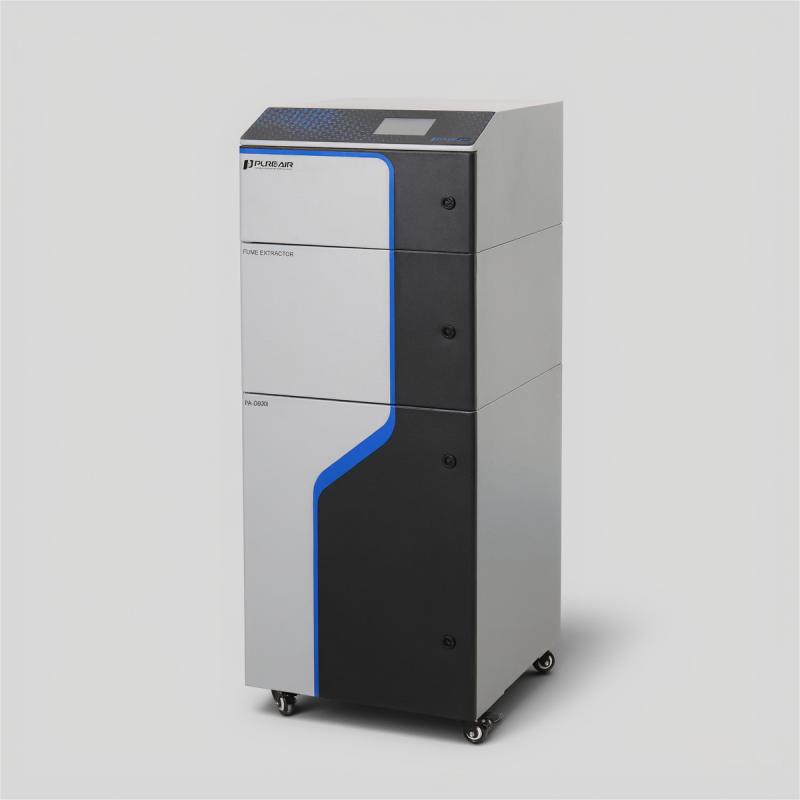
When people search for solutions, they often type “fume extractor laser engraver” and expect instant results. But the truth is messier. Many off-the-shelf extractors rely on a single fan and a simple filter cartridge. That setup might reduce smell, but it often fails to capture fine particulates and volatile organic compounds (VOCs) at the source. Airflow rate is quoted, yes — but static pressure and capture velocity at the nozzle are what actually matter when you’re cutting dense acrylic or coated metals.
In workshops I visit, I notice three repeated failures: improper hood positioning, undersized fans, and reliance on basic media (a thin HEPA layer or plain activated carbon) that saturates quickly. Those failures lead to poor capture efficiency and faster filter loading — and then maintenance becomes a chore nobody enjoys. Look, it’s simpler than you think: if the extractor can’t overcome the machine’s plume momentum, it never truly captures the hazardous stream. We also see system controls that ignore variable loads — no fan speed control, no monitoring of differential pressure, nothing to tell you when filters are spent. That’s an oversight with real human cost.
So what goes wrong at the user level?
Users feel burned by complexity. They buy a unit that “looks powerful,” then discover filters that cost more than expected and a fan that’s noisy. They stop using it or run it intermittently. The result: exposure returns. I’ve talked to operators who say they turn the extractor off to avoid the noise during delicate jobs — and that honesty cuts deeper than any spec sheet. We need systems designed around real behavior: quiet fans, clear filter indicators, modular filter stages (pre-filter + HEPA + activated carbon), and maintenance paths that a single person can manage without a technician. — funny how that works, right?
Part 3 — Principles for the next generation: what to demand
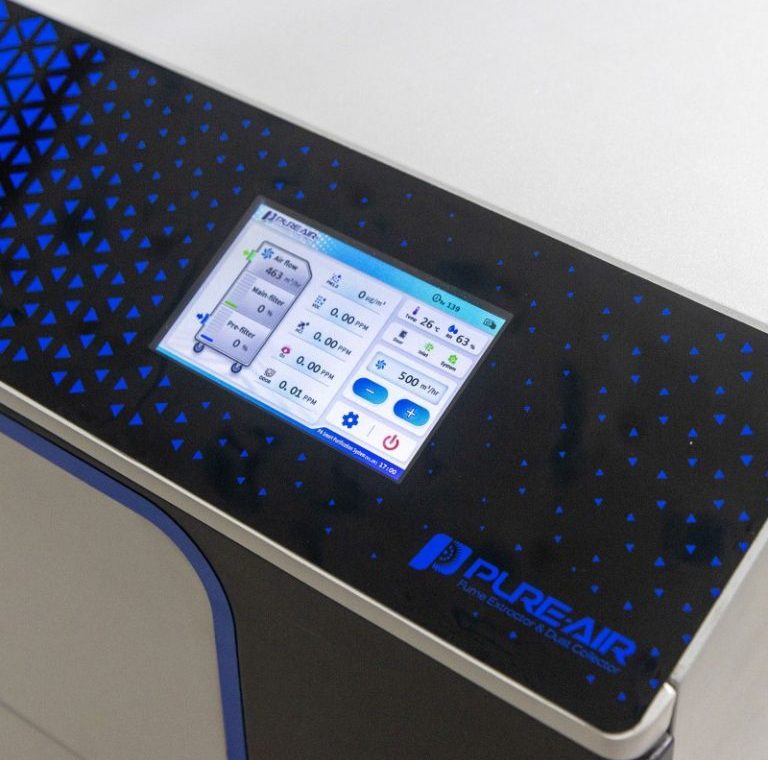
Now I want to look ahead and outline practical principles that new designs should follow. Rather than chase headline airflow numbers, I recommend focusing on capture efficiency, filter strategy, and user-centered controls. A modern fume extractor laser engraver system should combine a properly sized fan (matched for static pressure), staged filtration (pre-filter, true HEPA, activated carbon), and a variable-speed drive so the extractor follows your job, not the other way around. I favor systems with clear, simple indicators — differential pressure gauges or LEDs — and low-noise fans so operators keep units running.
Technically, edge sensing (a small local particulate sensor) can give immediate feedback about capture performance. Integrating that with a basic controller lets the extractor ramp up during heavy cuts and idle when idle, saving energy and extending filter life. I’ve tested units that do this; they keep shops cleaner and operators calmer. There’s also room for smarter displays or an app — but only if they simplify decisions, not add another alarm to ignore. We should design for human habits first, tech second.
What to evaluate next?
If you’re choosing a system, I advise you to weigh these three metrics: capture velocity at the nozzle, overall capture efficiency across particle sizes, and total cost of ownership (filters + energy + downtime). Ask for measured data or on-site demonstration. Compare not just the initial price but the yearly operating cost. I do this with clients all the time; it saves surprises and keeps people breathing easier.
To wrap up: start with the human need — quieter fans, clear maintenance signals, and real capture at the source. Match fans to static pressure, insist on staged filtration (including HEPA and activated carbon), and prefer units with simple performance feedback. Those choices reduce exposure, lower long-term cost, and make the extractor something you actually keep on. We can make workshops safer without turning them into labs. For reliable options and more detailed specs, consider exploring solutions by PURE-AIR.
Keep reading
 Real Estate
Navigating Modern Real Estate: Practical Strategies for Buyers, Sellers, and Investors
 Home
Home
Smart, Seasonal Gardening: Practical Home Garden Ways to Elevate Decor and Interior Comfort
 Education